By Rivera Gainza, P.A. – Immigration Attorneys Serving Florida and Georgia
If you have a pending immigration application and are considering international travel, it is important to understand whether you need Advance Parole before leaving the United States.
Many immigration applicants are surprised to learn that traveling abroad without proper authorization may affect certain pending applications. Understanding the purpose of Advance Parole and when it may be required can help individuals make informed decisions about travel.
What Is Advance Parole?
Advance Parole is a travel document issued by U.S. Citizenship and Immigration Services (USCIS) that may allow certain non-citizens to re-enter the United States after temporary travel abroad.
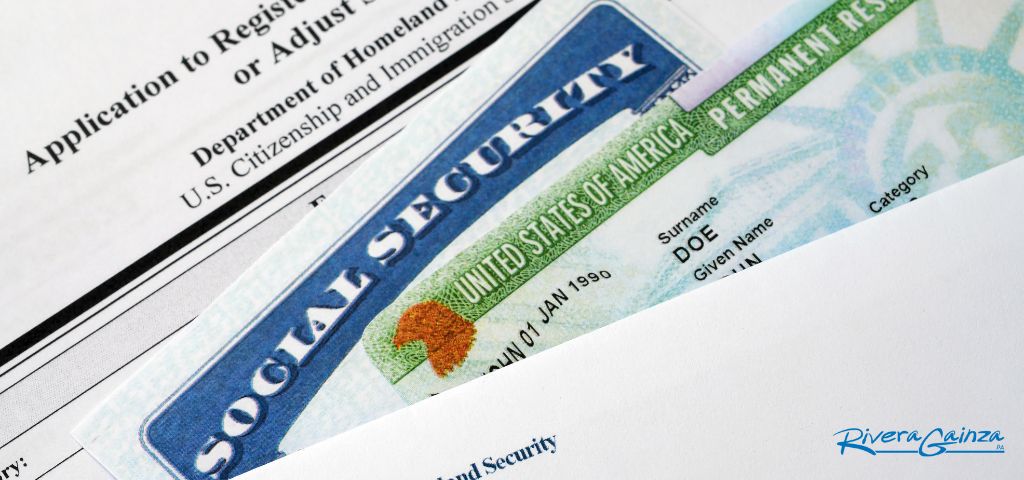
It is commonly associated with individuals who have a pending Adjustment of Status (Form I-485) application and wish to travel outside the country while their case is being processed.
Advance Parole is not a visa and does not guarantee admission into the United States. Upon return, entry is determined by U.S. Customs and Border Protection (CBP) based on applicable immigration laws and regulations.
Who May Need Advance Parole?
Certain individuals with pending immigration applications may need Advance Parole before traveling internationally.
Examples may include individuals with:
- A pending Adjustment of Status (Green Card) application
- Certain humanitarian-based immigration applications
- Other immigration benefits that permit travel authorization through USCIS
Because immigration circumstances vary, eligibility for Advance Parole depends on the specific facts of each case.
Why Is Advance Parole Important?
For some applicants, departing the United States without Advance Parole may result in a pending application being considered abandoned.
Traveling without proper authorization may create complications depending on:
- Immigration category
- Current immigration status
- Prior immigration history
- Pending applications with USCIS
Understanding these factors before making travel plans can be important.
How Do You Apply for Advance Parole?
Advance Parole is generally requested by filing Form I-131, Application for Travel Document, with USCIS.
Applicants may be required to provide:
- Identification documents
- Evidence of a pending immigration application
- Supporting documentation requested by USCIS
- Filing fees, when applicable
USCIS processing times may vary depending on workload and individual circumstances.
Can You Travel While Your Application Is Pending?
The answer depends on your immigration category and whether you have received appropriate travel authorization.
Some individuals may be able to travel under specific nonimmigrant classifications, while others may need Advance Parole before departure.
Because immigration laws are complex and fact-specific, it is important to understand how travel may affect your pending case.
Common Questions About Advance Parole
Does Advance Parole guarantee re-entry into the United States?
No. Advance Parole authorizes travel, but admission is determined by immigration officers at the port of entry.
How long is Advance Parole valid?
Validity periods vary and are determined by USCIS based on the applicant’s circumstances.
Can Advance Parole be used multiple times?
Some Advance Parole documents permit multiple entries, while others may be limited. The specific document issued by USCIS will indicate its validity.
What happens if I travel without Advance Parole?
Depending on your immigration category and pending applications, traveling without proper authorization may have significant consequences.
Why Professional Legal Guidance Matters
International travel can have important immigration consequences. What may be appropriate for one applicant may not be appropriate for another.
Before traveling internationally, individuals with pending immigration applications may benefit from understanding:
- Whether Advance Parole is required
- How travel may affect a pending application
- Current USCIS requirements
- Potential immigration risks associated with departure and re-entry
At Rivera Gainza, P.A., we provide professional legal guidance to help individuals understand immigration procedures and travel authorization requirements under current U.S. immigration laws. No specific outcome can be guaranteed.
Contact Rivera Gainza, P.A.
If you have questions about Advance Parole, Adjustment of Status, or other immigration matters, our team is available to provide guidance.
🌐 RiveraGainzaLaw.com
📞 Palm Beach, FL: (561) 651-9322
📞 Broward, FL: (954) 463-1200
📞 Canton, GA: (770) 884-8400
📍 Serving Palm Beach County, Broward County, Miami-Dade, Martin, St. Lucie, Okeechobee, Lee County, and Canton, Georgia